Footwear
60Check style, color and size to avoid mixing similar-looking variants.

PROJECT FOCUS / RTL-001
Retail & products · Case study
Associate primary, detail and packaging images with catalog fields. Resolve similar appearances, product variants and conflicting attributes to build consistent product data.
← Back to case studies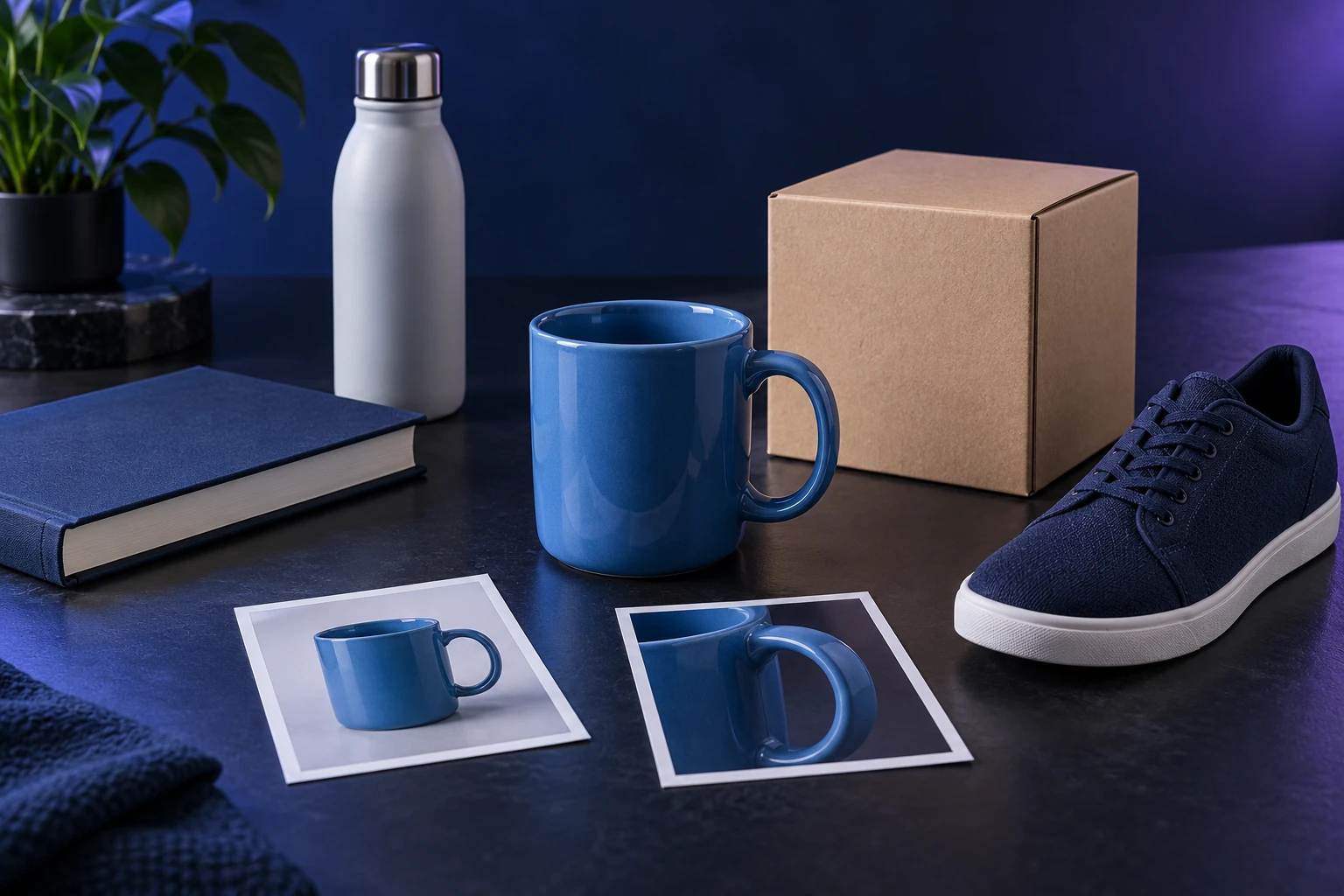
THE BRIEF
Bring scattered images, titles and attributes under a shared product identifier for retrieval and image–text understanding, preserving provenance and conflict reasons.
SCENE COVERAGE
Check style, color and size to avoid mixing similar-looking variants.
Separate primary items and accessories; retain text sources for materials.
Check associations between volume, packaging and product identifiers.
Match covers, editions and titles, marking unconfirmed fields.
FROM CHALLENGE TO METHOD
01 / THE APPROACH
Validate product identifiers before linking images and fields; do not rely only on visual similarity.
01 / THE APPROACH
Normalize aliases, units and field types while retaining original and normalized values.
01 / THE APPROACH
Apply the agreed source priority; mark unresolved fields for review instead of forcing a value.
REVIEW & HANDOVER
Verify that all three images and the title refer to the same product.
Check units, allowed values, missing-value states and source fields.
Distinguish duplicate images from valid alternate views and verify counts across all four groups.
Retain identifiers, categories, variants and image paths.
Provide normalized fields, provenance and associations.
Record missing values, conflicts, duplicates and review notes.
WHAT TO TAKE FORWARD
Product identity, image count and attribute completeness are separate review dimensions. Establish association evidence before field cleaning and content evaluation.
MORE PROJECT PERSPECTIVES
YOUR NEXT DATA PROJECT
To frame a similar pilot, share: Taxonomy, product identifiers, images and descriptions, target attribute fields and permitted content use.