Clear single-speaker recordings
20Agree how to transcribe numbers, proper nouns and colloquial expressions.

PROJECT FOCUS / SPC-001
Speech & content · Case study
Segment recorded dialogue into speaker-attributed, time-aligned turns, then link transcripts, intents and entities so every label retains its context.
← Back to case studies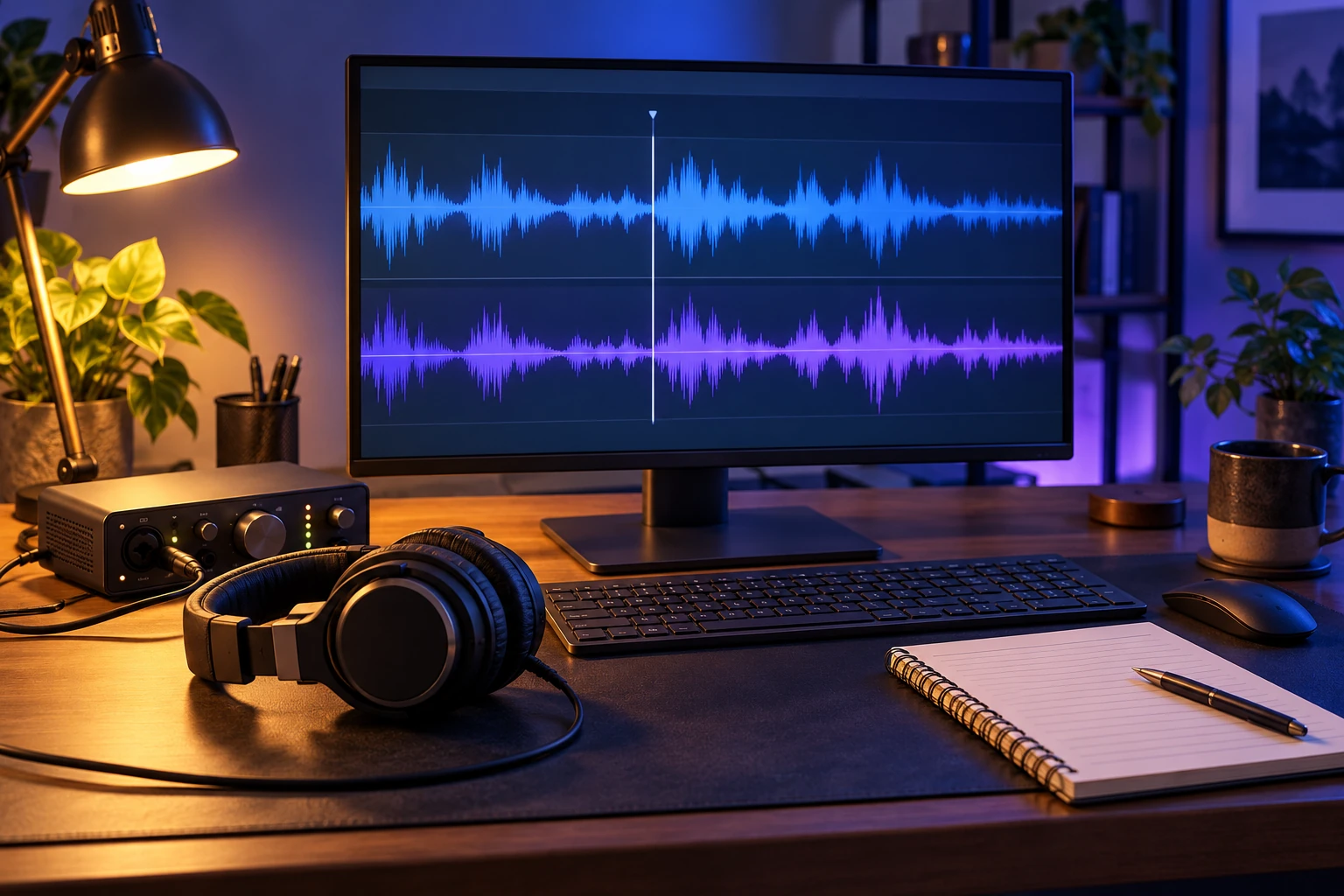
THE BRIEF
Organize audio and text for service-dialogue understanding. Review transcripts, time boundaries and intent labels separately so context is not lost in text-only checks.
SCENE COVERAGE
Agree how to transcribe numbers, proper nouns and colloquial expressions.
Record speaker changes, contextual references and overlapping speech.
Mark unintelligible portions and non-speech events.
FROM CHALLENGE TO METHOD
01 / THE APPROACH
Agree verbatim transcription rules for numbers, pauses and fillers.
01 / THE APPROACH
Review speaker changes against audio, retain overlap markers and keep unintelligible speech distinct from confirmed text.
01 / THE APPROACH
Use surrounding turns and record multiple intents or uncertainty rather than forcing context-free classifications.
REVIEW & HANDOVER
Listen again for transcript differences, omissions and unintelligibility markers.
Check segment boundaries, speaker identities and overlap spans.
Review intent rationale, entity spans and agreed de-identification rules.
Link original recordings, segment timestamps and speaker IDs.
Deliver turn transcripts, intents, entities and contextual relationships.
Retain terminology, rule versions, difficult segments and review notes.
WHAT TO TAKE FORWARD
Correct transcription does not guarantee correct semantic labels. Keep audio, text and context connected so each layer can be reviewed independently.
MORE PROJECT PERSPECTIVES
YOUR NEXT DATA PROJECT
To frame a similar pilot, share: Target languages and scenarios, audio or document samples, terminology, label schema and data-handling requirements.