
THE TASK / 01
Product recognition & localization
Define category levels and locate items in product and display images; record occlusion, similar packaging and multi-item sets.
RETAIL INTELLIGENCE
Retail & product understanding
Build consistent categories, attributes and associations for product recognition, catalog preparation and image–text understanding. Turn scattered images, titles and descriptions into searchable, reviewable data.

APPLICATIONS
Connect each application to its data, processing rules and deliverables.

THE TASK / 01
Define category levels and locate items in product and display images; record occlusion, similar packaging and multi-item sets.
Blue storage box · Plastic · 20 centimetres
Retain source text, normalize fields and units, and flag missing values separately.
THE TASK / 02
Extract specifications, materials and colors from titles and descriptions. Normalize aliases and units while preserving missing or conflicting values.

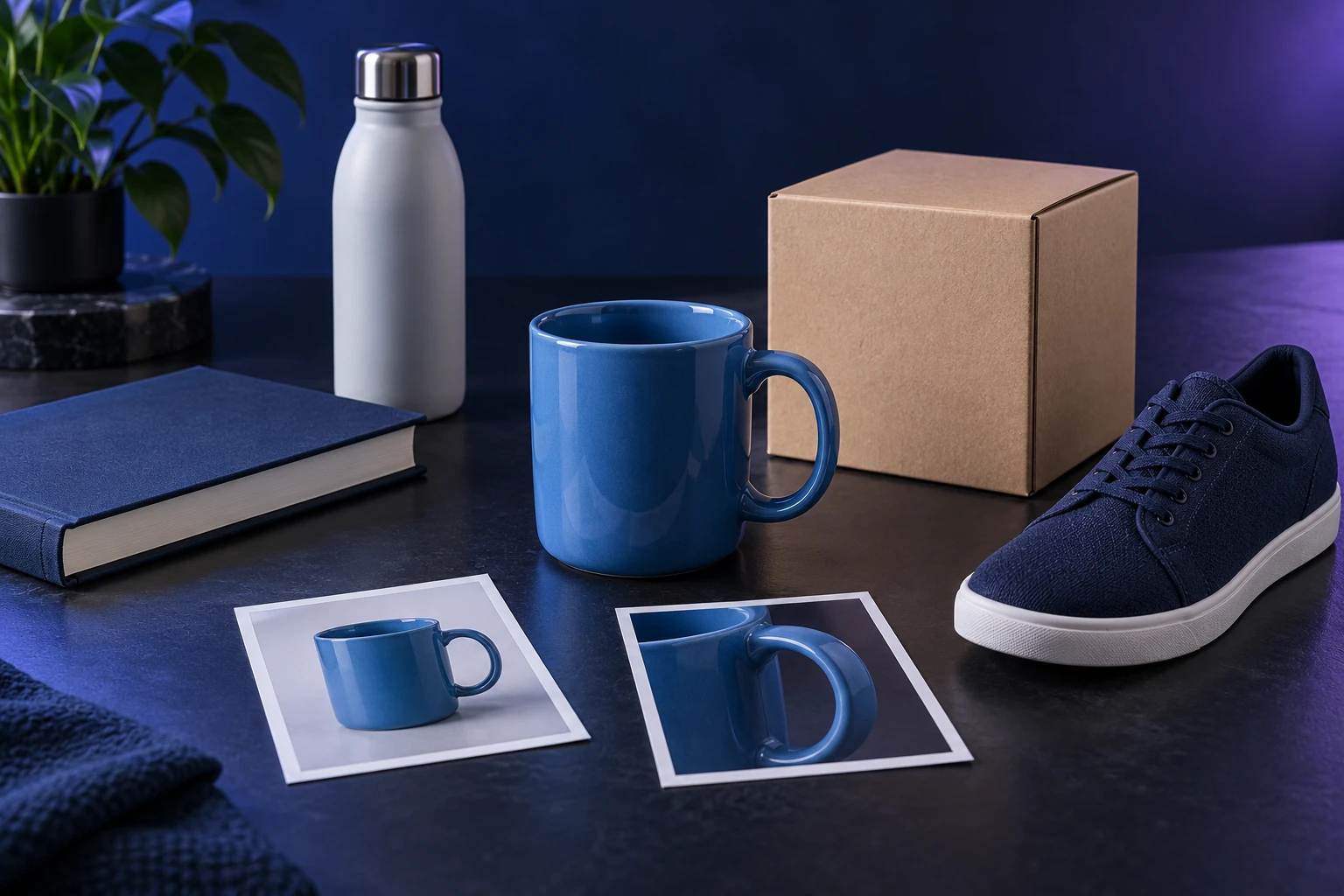
Object in the image
Pair by the same object; do not infer attributes that are not visible.
THE TASK / 03
Check whether images and text describe the same product. Distinguish primary items, accessories and usage scenes; record mismatch reasons.
DATA IN · VALUE OUT
A representative sample helps establish scope before batch work begins. Delivery fields and acceptance criteria are agreed during the pilot.
QUALITY IN CONTEXT
Confirm the taxonomy, distinctions between similar categories and rules for multi-category bundles during the pilot.
Retain the source for each field; do not infer attributes unsupported by the image or text.
Associate records using agreed product identifiers; distinguish duplicate images, product variants and separate products.
PROJECT PERSPECTIVE

RTL-001
Associate primary, detail and packaging images with catalog fields. Resolve similar appearances, product variants and conflicting attributes to build consistent product data.
BEFORE WE START
Yes. Review hierarchy, aliases and uncategorized items, then clarify boundaries in a pilot. Record versions and mappings when categories are added or merged.
Use agreed titles, descriptions or other trusted fields. If an attribute remains unconfirmed, mark it missing or pending review rather than guessing.
LET’S BUILD YOUR DATA
Start with your task, the data available and one representative example. We can then discuss a practical pilot scope.