
ROBOTICS & EMBODIED AI

Robotics & embodied AI

Connect scenes, objects and actions into task data.

Organize images, depth, point clouds and action-related records for object perception, spatial understanding and task sequences. Define synchronization, coordinate relationships and task boundaries for traceable training and evaluation data.

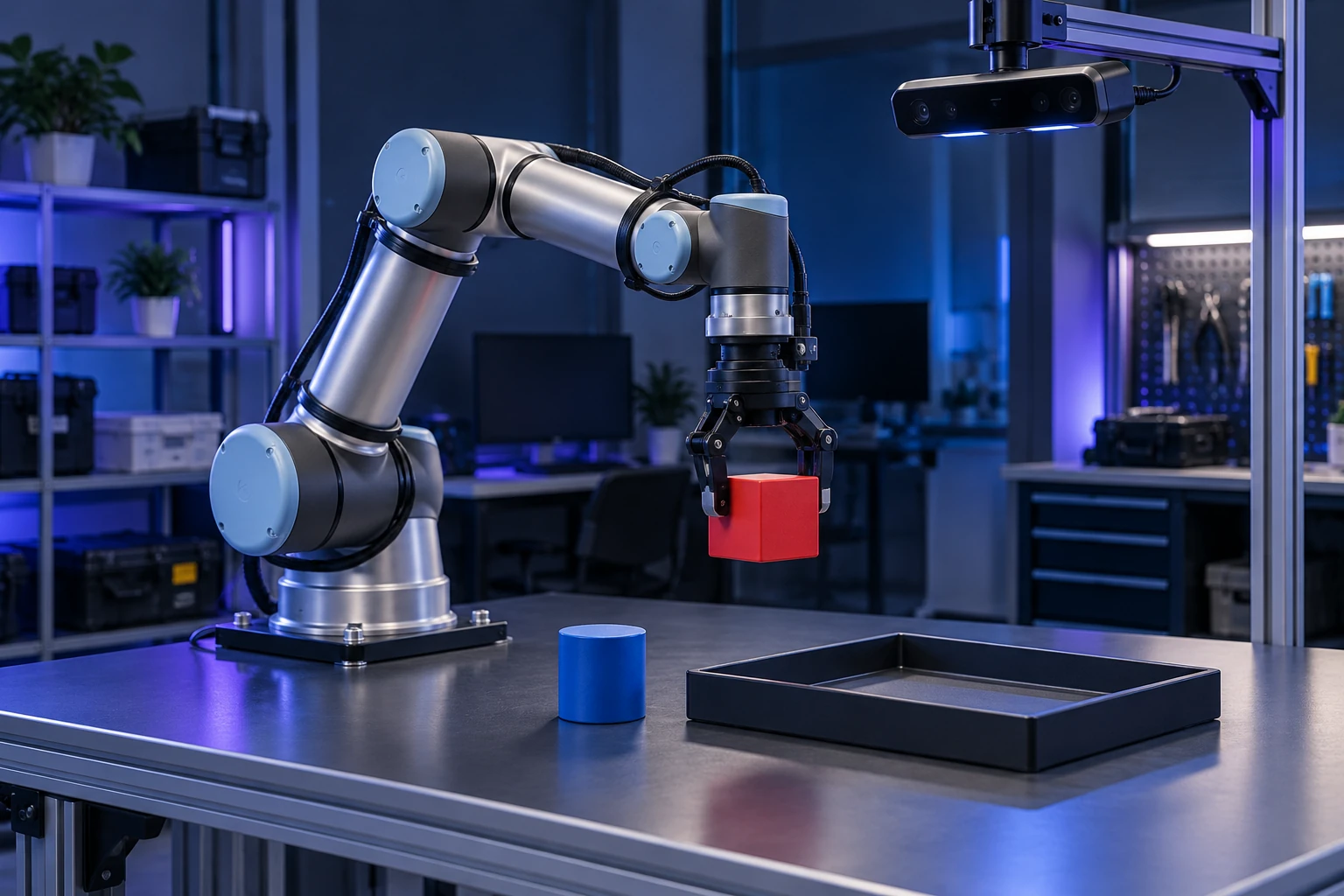
Robot arm grasping a red object beside a target tray and depth camera
ROBOTICS & EMBODIED AIFrom real-world signals to structured data.
  • Objects & space
  • Sequences & actions
  • Multimodal associations

APPLICATIONS

Start with the task your model needs to learn.

Connect each application to its data, processing rules and deliverables.

Object & scene perception

THE TASK / 01

Object & scene perception

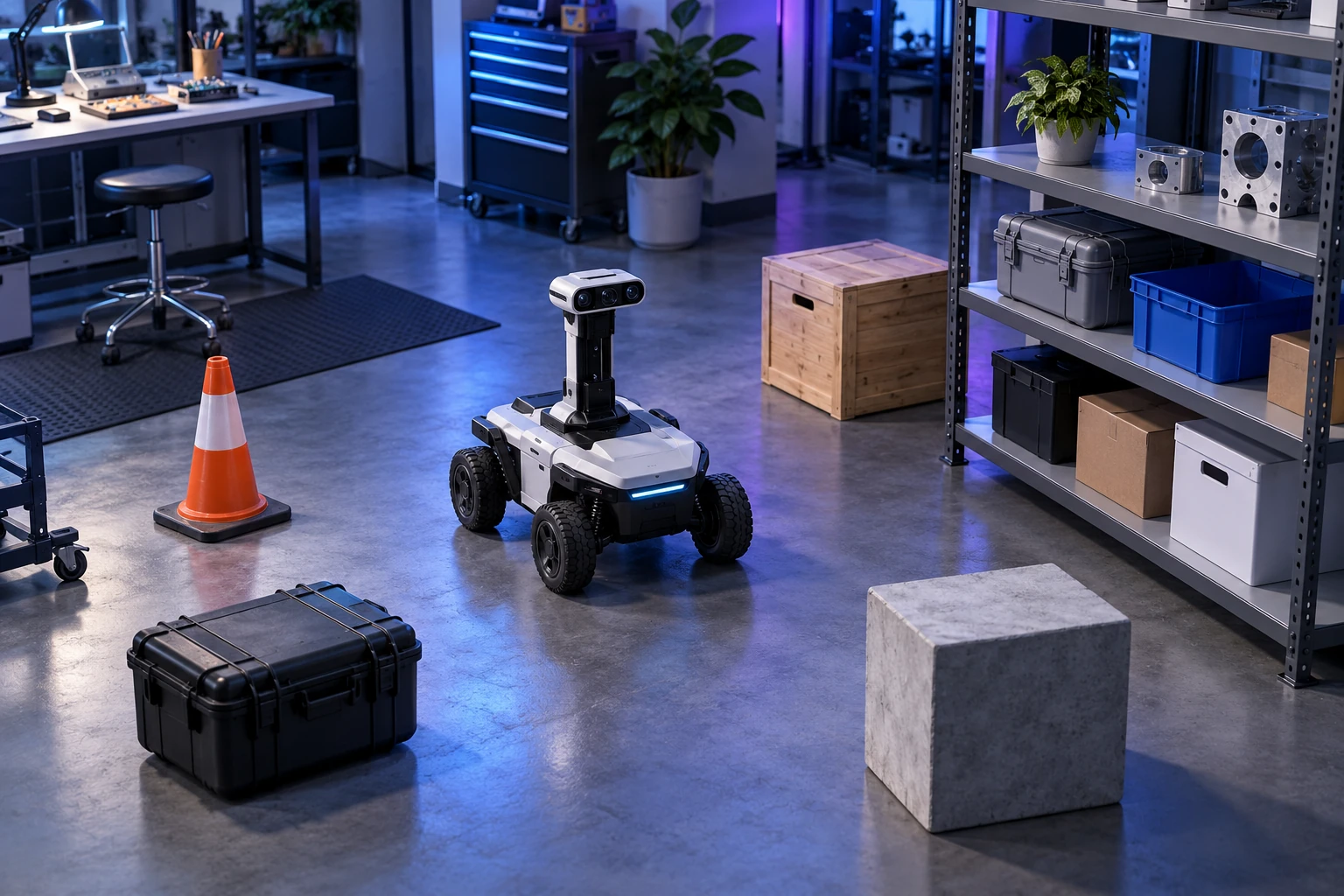
Define task-relevant object classes, visible regions and spatial attributes; associate object IDs across images and 3D data.

WHAT THE DATA CONTAINSObject labels, spatial annotations and cross-modal object indexes
See inputs, labels and formats
Manipulation sequences & action segments

THE TASK / 02

Manipulation sequences & action segments

Split task sequences into reviewable stages. Record action boundaries, target objects and observable outcomes, retaining failed and interrupted segments.

WHAT THE DATA CONTAINSTask stages, action segments, object associations and outcome labels
See inputs, labels and formats
CAMERA / DEPTH / STATE

Connect records with a shared time index

T₀Approach
T₁Contact
T₂Lift
Camera frames
frame_001 → frame_002 → frame_003
Depth records
depth_001 → depth_002 → depth_003
State records
state_001 → state_002 → state_003

Schema example: associate by capture time; retain exceptions for missing frames and synchronization gaps.

THE TASK / 03

Multimodal sequence alignment

Organize camera, depth and state data from capture records. Check timestamps, missing frames and coordinate documentation to create a consistent sequence index.

WHAT THE DATA CONTAINSSequence manifest, temporal alignment index and exception records
See inputs, labels and formats

DATA IN · VALUE OUT

A clear brief. A traceable delivery.

A representative sample helps establish scope before batch work begins. Delivery fields and acceptance criteria are agreed during the pilot.

01 / WHAT TO SHARE
Task definitions, device and sensor records, time and coordinate conventions, representative sequences and target formats.
02 / WHAT YOU RECEIVE
Sequence and object indexes, stage and action labels, cross-modal associations, metadata documentation and quality records.
03 / WHAT TO REVIEW
Review by task and scene, validating temporal associations, object consistency and stage boundaries separately.

QUALITY IN CONTEXT

Trace each action to its scene and time.

Task definition

Define observable stages and outcomes, distinguishing completion, failure, interruption and uncertainty.

Synchronization & coordinates

Check clocks, units and coordinate conventions against capture metadata; record missing calibration information separately.

Sequence integrity

Check frame continuity, object IDs and action boundaries; split data by complete task sequences.

Explore delivery & quality

PROJECT PERSPECTIVE

See how a task becomes a data project.

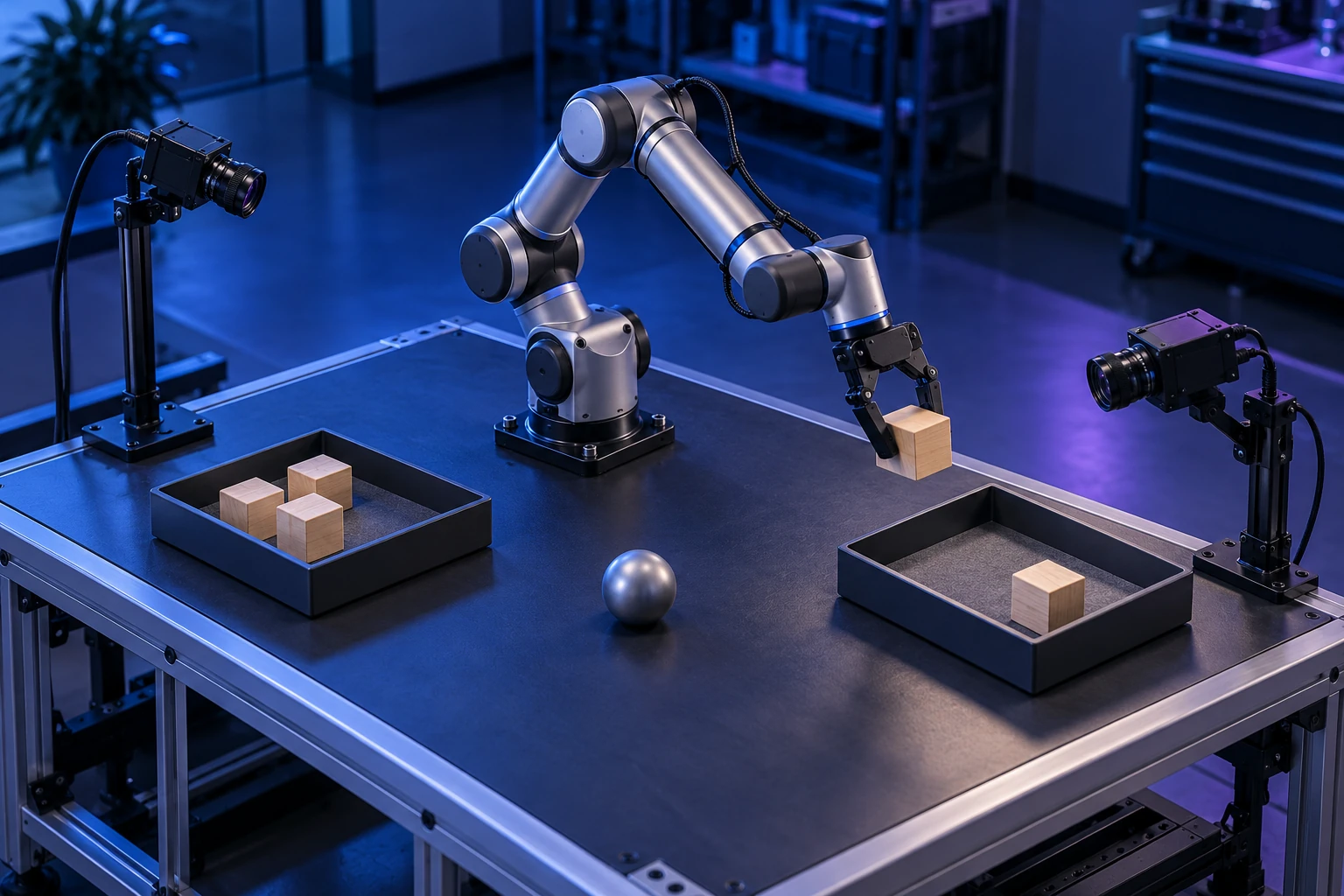
Two cameras observing a robot arm transferring an object between trays

ROB-001

Organizing tabletop manipulation into task sequences

Link visual, depth and state records across tabletop grasping, transfer and return tasks, defining action stages, object identities and observable outcomes.

Read case study

BEFORE WE START

Common questions

01Which device information is needed first?

Share sensor types, timestamp rules, coordinate systems, available calibration documentation and a complete task sample. Check data associations before agreeing processing scope.

02Should failed or interrupted tasks be removed?

Not by default. Define retention and exclusion rules around the task, and separately label observable outcomes, failure reasons and uncertainty.

LET’S BUILD YOUR DATA

Tell us about your task and data.

Start with your task, the data available and one representative example. We can then discuss a practical pilot scope.