THE TASK / 01
Surface defect recognition
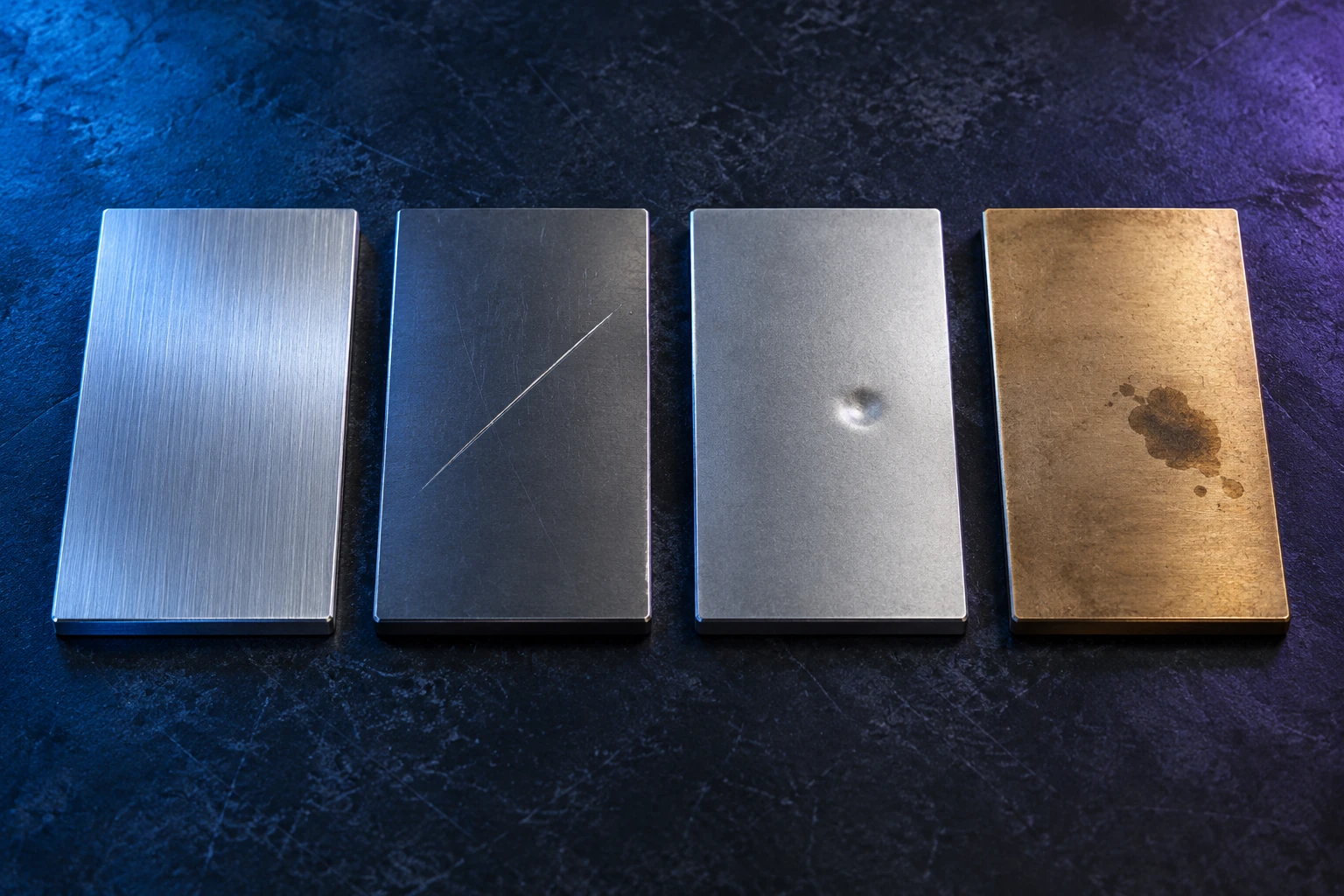
Define scratches, dents and stains; distinguish visible defects from normal texture and inconclusive samples.
INDUSTRIAL VISION
Industrial vision & manufacturing
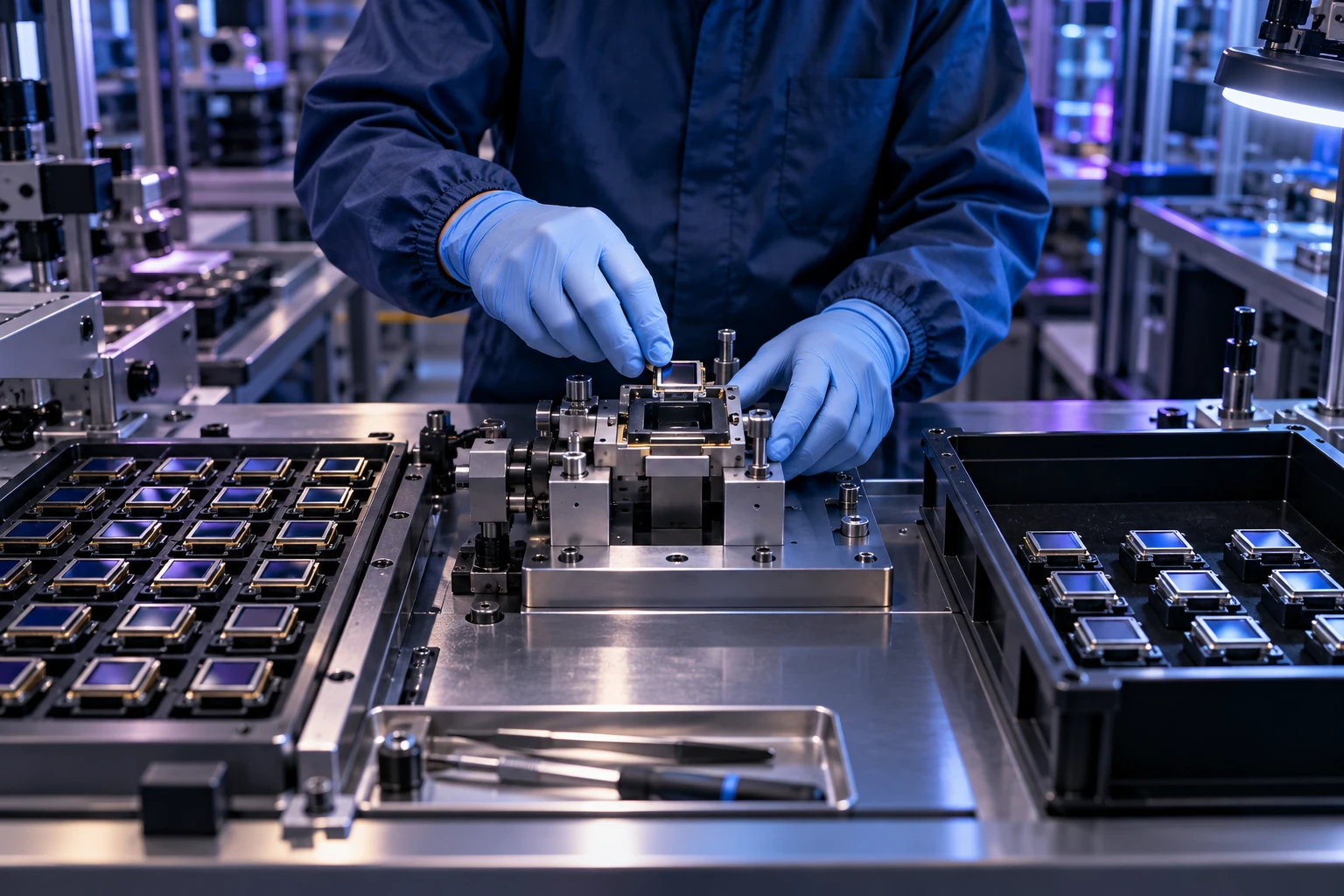
Organize image and video data for surface defects, component recognition and operational workflows. Align capture conditions and defect boundaries with clear inspection rules.

APPLICATIONS
Connect each application to its data, processing rules and deliverables.

THE TASK / 01
Define scratches, dents and stains; distinguish visible defects from normal texture and inconclusive samples.

THE TASK / 02
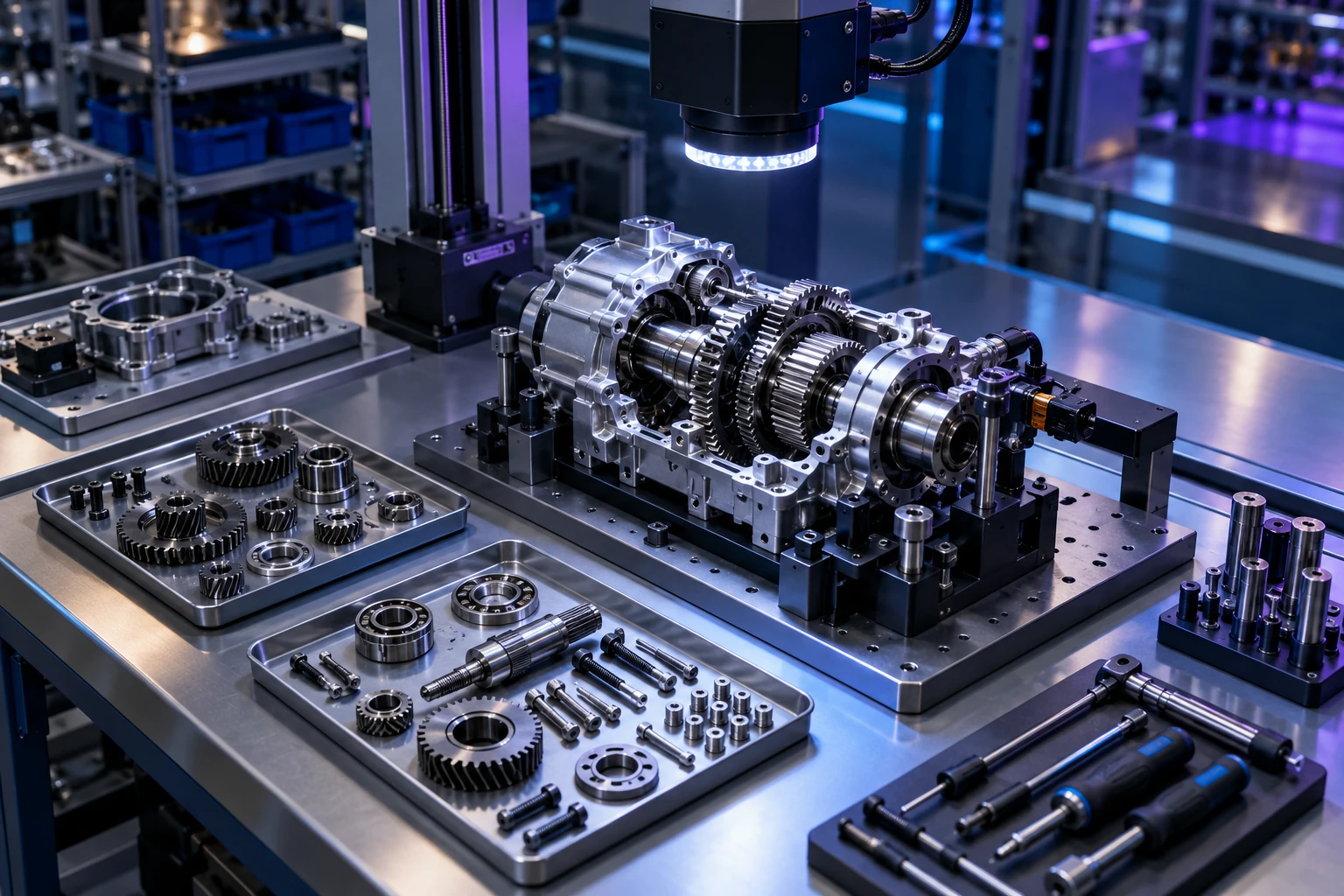
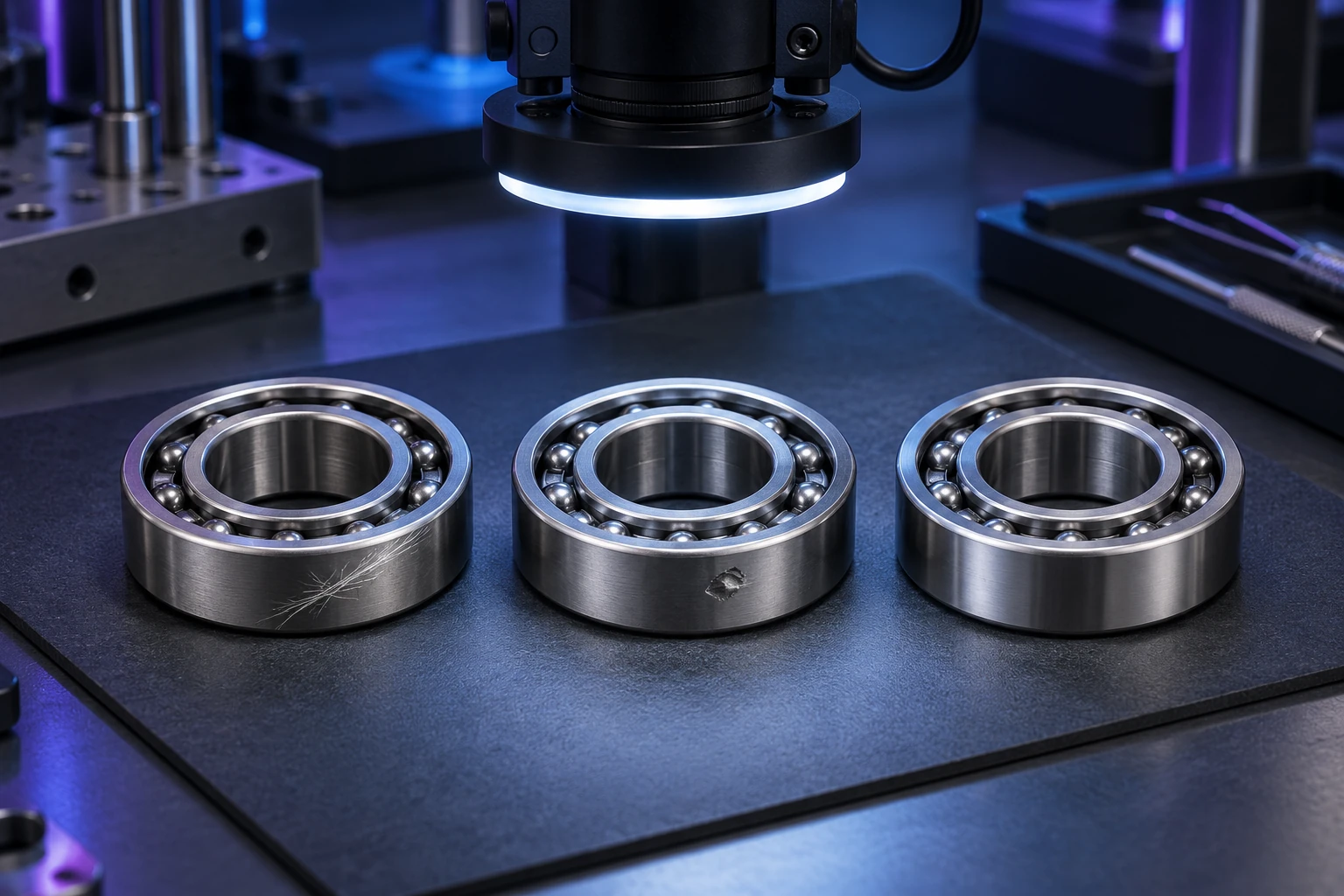
Organize components by station and viewpoint. Define missing-part, misalignment and occlusion rules, retaining normal samples.

THE TASK / 03
Segment defined operations into events, associate object tracks, and record interruptions, occlusion and out-of-frame periods.
DATA IN · VALUE OUT
A representative sample helps establish scope before batch work begins. Delivery fields and acceptance criteria are agreed during the pilot.
QUALITY IN CONTEXT
Record devices, stations, lighting and materials; check blur, glare and field of view.
Agree the rules using normal, defective and borderline samples; send uncertain items for review.
Group by product, device or production batch to avoid near-duplicate leakage across splits.
PROJECT PERSPECTIVE

MFG-001
Use normal textures and defect samples to agree annotation rules for metal surfaces. Deliver region labels with indexes that support review.
BEFORE WE START
Start by auditing available samples, defining classes and identifying gaps, then run a small collection or annotation pilot. Limited samples do not justify model-performance promises.
Use a shared class dictionary and record device, material and station differences. Resolve ambiguous boundaries with reference examples and pilot review.
LET’S BUILD YOUR DATA
Start with your task, the data available and one representative example. We can then discuss a practical pilot scope.