
SPEECH & CONTENT

Speech & content understanding

Give speech and text a clear structure.

Connect audio transcription, text annotation and content review for speech recognition, dialogue understanding and document processing. Preserve speakers, time boundaries and context so results can be traced to their source.

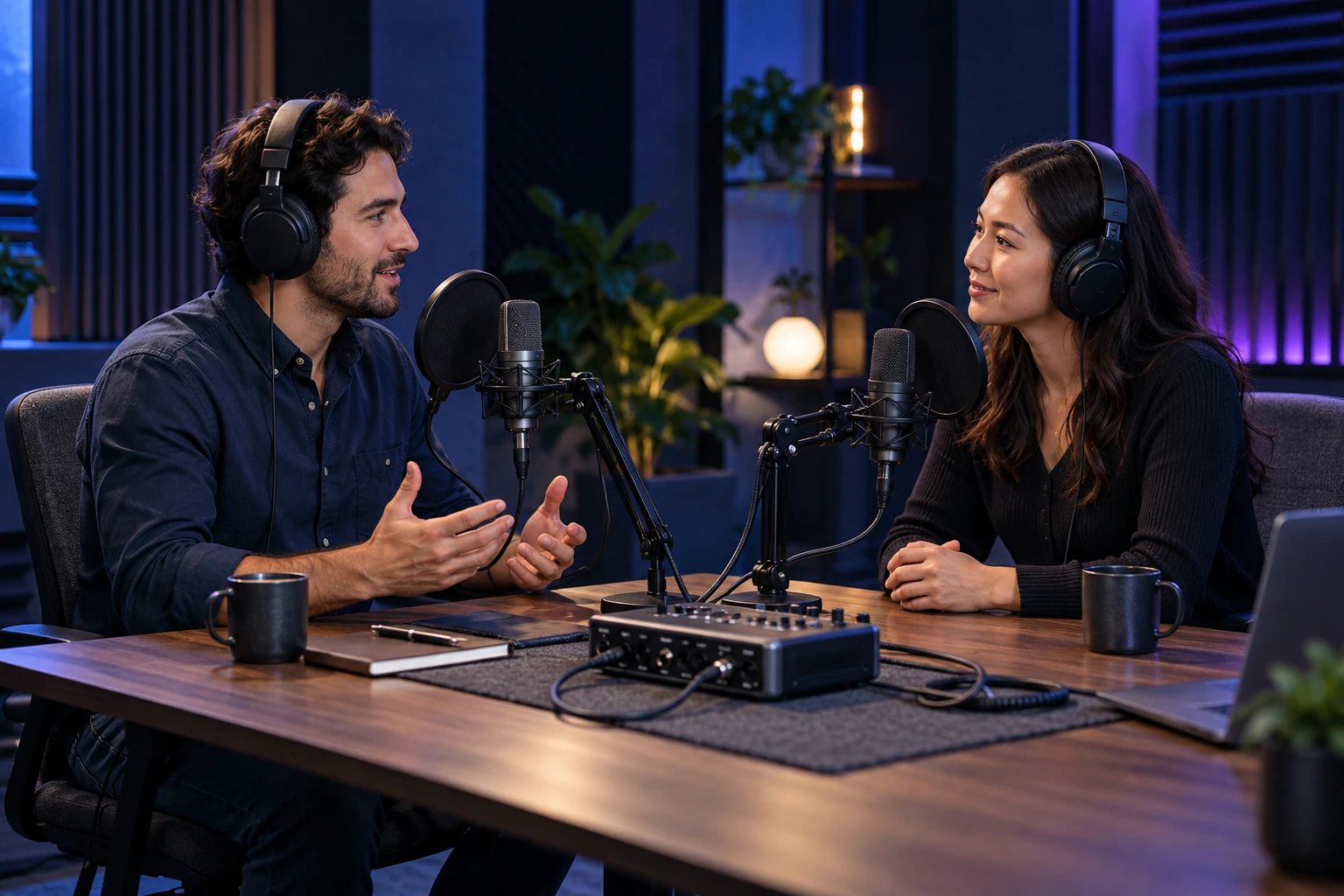
Two speakers with microphones and recording equipment for conversation capture
SPEECH & CONTENTFrom real-world signals to structured data.
  • Speech & audio
  • Intents & entities
  • Documents & context

APPLICATIONS

Start with the task your model needs to learn.

Connect each application to its data, processing rules and deliverables.

Transcription & speaker labeling

THE TASK / 01

Transcription & speaker labeling

Transcribe speech to agreed rules, segment speakers and time spans, and mark overlapping speech, noise and unintelligible portions.

WHAT THE DATA CONTAINSTranscripts, speaker IDs, timestamps and audio events
See inputs, labels and formats
TURN 01 → TURN 02

Interpret each utterance in context

Customer

Please organize these images in JSON format.

Clarification

Should the original filenames be retained?

Intent
Data format conversion
Target format
JSON
Pending detail
Filename preservation rule

THE TASK / 02

Intents, entities & dialogue structure

Define intents and entities in the business context. Preserve turns and specify how to handle multiple intents, negation and missing context.

WHAT THE DATA CONTAINSIntent labels, entity spans, turns and relationships
See inputs, labels and formats
DOCUMENT → PASSAGE → ANSWER

Trace an answer back to its source

Delivery notes / Passage 02

Files and indexes

Each batch includes a manifest recording file paths, formats and source references.

Question

What does the manifest contain?

Answer and source

File paths, formats and source references.

↳ Passage 02

THE TASK / 03

Document preparation & content evaluation

Organize headings, paragraphs, tables and question–answer pairs. Review relevance and information completeness with consistent criteria and recorded reasoning.

WHAT THE DATA CONTAINSDocument structure, passage indexes, Q&A associations and review records
See inputs, labels and formats

DATA IN · VALUE OUT

A clear brief. A traceable delivery.

A representative sample helps establish scope before batch work begins. Delivery fields and acceptance criteria are agreed during the pilot.

01 / WHAT TO SHARE
Target languages and scenarios, audio or document samples, terminology, label schema and data-handling requirements.
02 / WHAT YOU RECEIVE
Transcripts and annotations, segment or passage indexes, vocabulary and rule versions, review and exception records.
03 / WHAT TO REVIEW
Check text, labels and time boundaries separately; organize review by language, scenario and difficulty.

QUALITY IN CONTEXT

Preserve context to interpret each utterance.

Transcription rules

Standardize numbers, proper nouns, pauses and spoken expressions; record vocabulary versions.

Timing & turns

Review segment boundaries, speaker changes and overlap to keep audio and text aligned.

Privacy & provenance

Define provenance and permitted use, handling personal information and sensitive content according to project rules.

Explore delivery & quality

PROJECT PERSPECTIVE

See how a task becomes a data project.

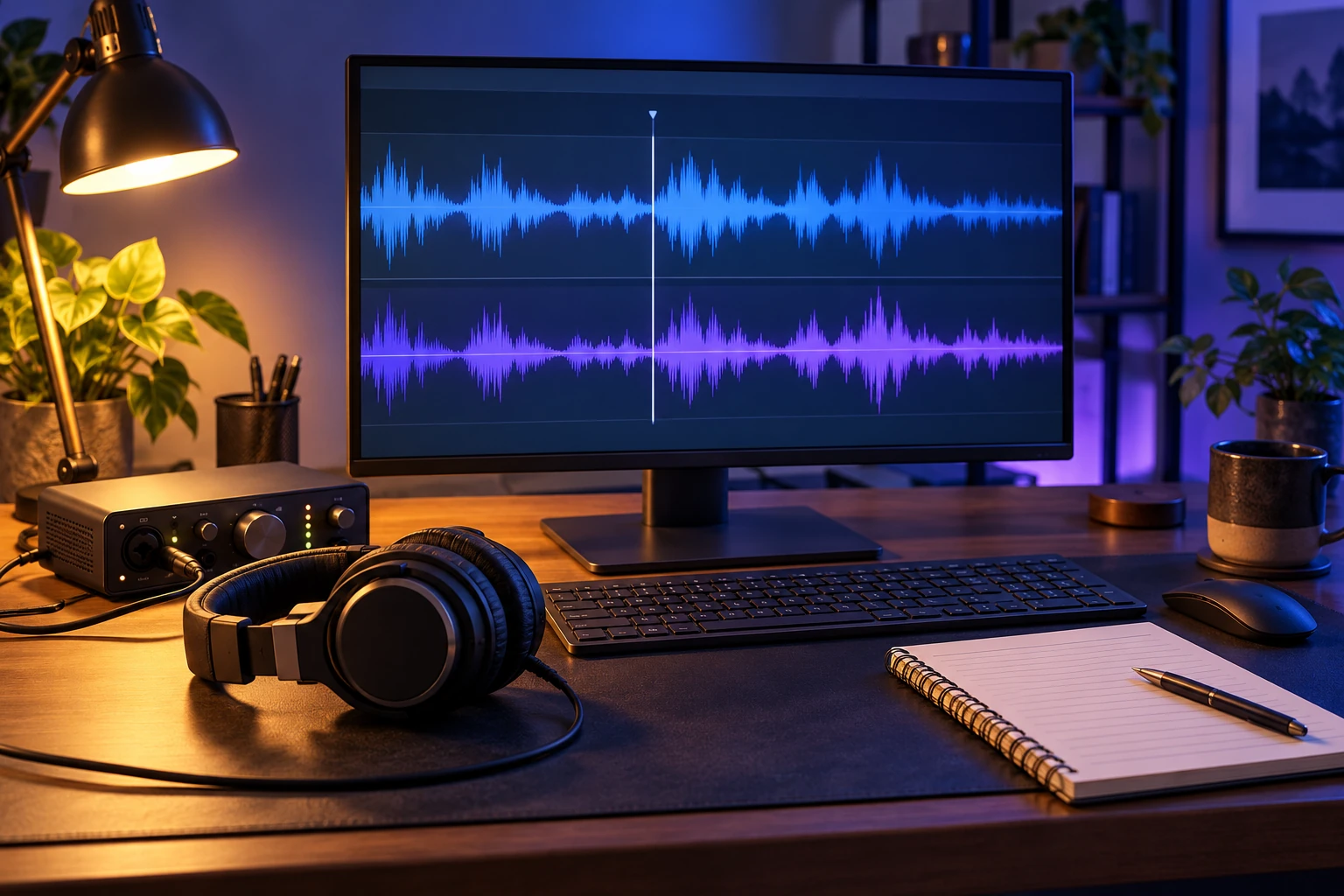
Audio waveforms, headphones and a transcription review desk

SPC-001

From recorded dialogue to traceable intent labels

Segment recorded dialogue into speaker-attributed, time-aligned turns, then link transcripts, intents and entities so every label retains its context.

Read case study

BEFORE WE START

Common questions

01How are dialects and specialist terminology assessed?

Share representative samples and vocabulary first. Assess language, recording quality and domain knowledge before agreeing staffing, rules and delivery scope.

02Can colloquialisms, pauses and overlapping speech be retained?

Agree verbatim or normalized transcription and markers for pauses, overlap and unintelligible speech. Confirm the policy during the pilot and apply it consistently.

LET’S BUILD YOUR DATA

Tell us about your task and data.

Start with your task, the data available and one representative example. We can then discuss a practical pilot scope.